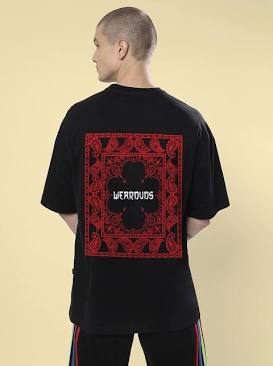
For the first half of the 20th century, the T-shirt was an aggressively masculine garment, heavily tied to the military and blue-collar labor. Women wearing T-shirts in public was considered taboo. This began to fracture in the 1960s and 70s alongside the womenu2019s liberation movement. As unisex fashion gained traction, women adopted the T-shirt for the exact same reasons men did: it was comfortable, practical, and carried a subtle edge of defiance.
French actresses and rock musicians began styling basic tees with denim, proving that the garment could be effortlessly chic. By the 1980s, designers were actively cutting T-shirts specifically for women, though these were often tightly fitted to conform to traditional feminine silhouettes.
The most powerful shift has happened in the modern streetwear movement. Today, the boundary between menu2019s and womenu2019s tees has largely dissolved. The rise of the oversized, heavyweight teeu2014often styled as a dress or paired with loose streetwear bottomsu2014allows women to command space and prioritize comfort over traditional expectations. The modern graphic tee doesnu2019t care about gender; it cares about attitude.